

Our Impact


Driven by evidence
To do this we:

Impact in Numbers


Rigorous external evidence from leading academics
The Power of Parents and Communities

The Institute for Fiscal Studies and Innovations for Poverty Action conducted a rigorous randomised evaluation our programme in Ghana. They found that it was leading to many wide-ranging impacts including improved cognitive development by the equivalent of an extra year of schooling, improved socio-emotional development and a reduction in malnutrition for Children. They also found that the programme was leading to significantly improved parenting knowledge and practice.
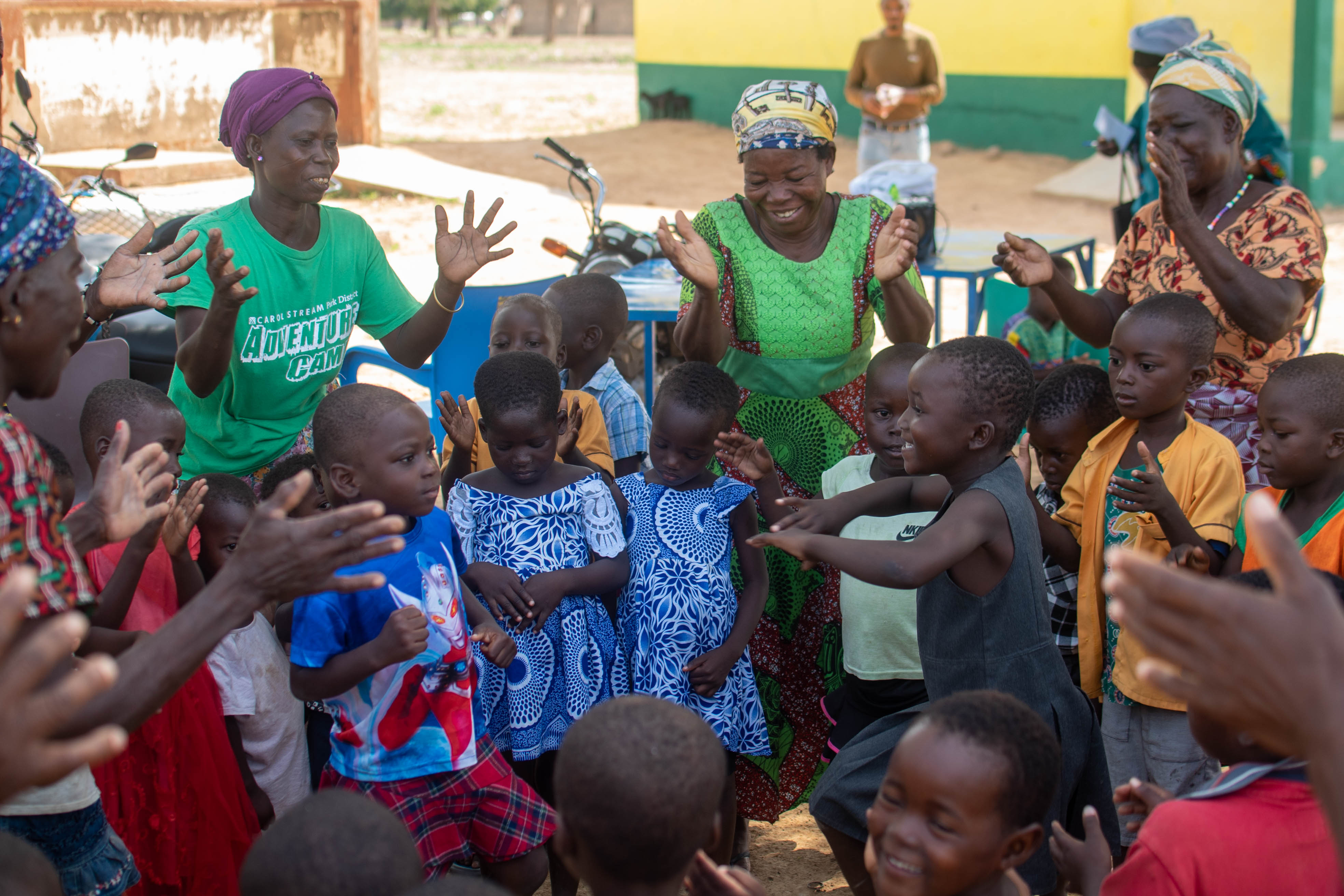
This qualitative study produced by THRIVE explores how mothers, fathers, teachers and community leaders experience the Lively Minds programme in Ghana, and what they believe drives its success. Mothers describe increased confidence and self-belief and greater respect within their families, alongside improvements in household health, hygiene and nutrition and stronger engagement with their children’s education. The study also identifies the features of the programme that help parents participate and succeed, and draws lessons from these successes that could inform the design and delivery of parent-powered early childhood programmes in other countries.

Our partnership with EDI Global assessed the impact of the Lively Minds programme in Uganda. While methodological challenges affected the quantitative study, qualitative findings highlighted meaningful benefits: Mothers reported clear improvements in their children's behavior, stronger family dynamics and improved relationships at home; Personal growth for Mothers and Village Health Teams delivering the programme, along with greater recognition and respect in their communities where also reported. And local government teams recognised the programme’s role in filling the gaps in childcare and early education.
Radio Impacts

An external evaluation by Farm Radio assessed the impact of our Lively Minds Together” radio programme in Ghana—and the results speak for themselves: 97.4% of listeners said the programme helped them support their preschool children’s learning at home; 91.5% reported adopting new early childhood care and education practices as a direct result.


Working Through Government

This independent Governance Review Report was commissioned after a year of the Ghana scale-up to assess and strengthen the governance of the GES–Lively Minds Early Childhood Development Programme. The review found strong commitment from Regional and District teams, active community engagement, and highly competent technical support. It also highlighted challenges such as unclear governance roles, funding structures, and gaps in programme ownership. Key recommendations were subsequently turned into action including enhanced regional and district oversight, and the appointment of a project management team staffed by GES to drive long-term success.

This report, produced by THRIVE, documents the scale-up of the Lively Minds programme across rural Ghana through government systems. It shares practical lessons on institutionalization and sustainability for similar efforts in low- and middle-income countries. The findings show that phased implementation, strategic partnerships, and strong government ownership improved early childhood development, despite challenges like limited funding and teacher workload, which were addressed through adaptation and community involvement. The report offers a roadmap for integrating NGO-led initiatives into national systems.
%20(1).jpg)
In 2026, the Oromia Education Bureau (OEB), with technical advisory support from Lively Minds, piloted a school-based parenting course delivered through existing government systems, reaching more than 1,800 parents across 40 schools in Oromia, Ethiopia. The evaluation provides encouraging early evidence that the programme can increase play-based learning at home and in classrooms while being delivered effectively through government systems. Parents became more confident supporting their children’s learning, teachers adopted more play-based approaches, and government officials, teachers and parents strongly supported the programme continuing and expanding.

Our research partners




Hear what participating mothers have to say

“The programme has built my confidence, before I could not even speak in public, now I can” … “Taking part of the programme I realise I did not even know the colours before. Now I know, I learned them thanks to the games”

“Before I was feeling lonely and often sad, but since I have enrolled the programme, I know I belong to a group. I go back home, and I feel happy”


